Sacred Vocal & Instrumental Music
Sacred music is the sung offering: the chant traditions of the liturgies, the devotional singing of the bhakti and Sufi and gospel worlds, and the practice framed by the Hindu doctrine of sound as God, the Vedic chant the earliest hymnal in world religion, music a vehicle of liberation in the tradition's own terms. The practice's modern forms run from the cathedral schola's Mass propers to the yoga studio's kirtan evening, the call-and-response chant with its harmonium and drums, the qawwali's ecstatic buildup, and the gospel choir's convention circuit.
The traditions' histories anchor the practice: the Gregorian chant codified in the Carolingian era, its attribution to the sixth-century pope a later construction and its transmission largely oral, the second Vatican council still naming chant the church's special music; the kirtan's Sanskrit root in reciting and praising, the antiphonal form ancient in the Vedas, the vernacular bhakti singing's flowering across the medieval centuries, the Bengali saint's popularization of the Krishna-name's congregational singing; the qawwali attributed to the thirteenth-century disciple at the Delhi shrine, originally instrument-free, its session's forms named in its repertoire, and its globalization running through the Pakistani master whose recordings carried the form to the world's stages; and the gospel tradition born in nineteen-thirties Chicago when the ex-blues pianist fused his idiom with sacred texts, the ministers' initial rejection, the first big choir's debut, and the crossover hit that carried the sound past the church.
The kirtan's Western spread is the practice's modern history: the monk's chanting in New York's Tompkins Square from 1965, the immigration reform that brought the teachers and musicians, the counterculture's adoption, and the festival economy that grew from it, the Joshua Tree gathering founded by the man who had brought the swami to open Woodstock, three thousand camping attendees at its scale, the chant master's seventeen albums and his Grammy nomination, and the 2025 Grammy for the devotional singing album that the wire services headlined as the tradition's moment. The genre's streaming listeners run to the hundreds of thousands by the tracker's count, the label unverified and the figure carried as the aggregator's.
The wellbeing research is the practice's modern evidence, and its calibration matters: the systematic review of group singing for mental health conditions, the narrative reviews of singing's physical and psychological benefits, the choral singing's psychobiology, the mantra-and-rosary study finding both practices slowing breathing toward six breaths a minute with improved heart-rate variability, and the mantra-meditation trials in cognitive decline showing memory and sleep and cellular-aging findings, the caveat being that the literature covers group singing and mantra practice generally, kirtan-specific trials essentially absent, and the research agenda's own call for better methods.
Access is open across the traditions: the kirtan explicitly inviting the audience to chant, the choirs recruiting from their congregations, the shrine's qawwali open to visitors, the cathedral's audition public, and the monastic chant attendable at liturgy, the etiquette of shoes and seating the practice's norms rather than gates, the performance skill closed to hereditary training while the participation is open to all. The entry's counsel is the form's own: the practice's engine is the response, the caller's line needing the room's voice, and the tradition that built congregational singing as liberation's vehicle remains, in every one of its forms, a practice anyone may join by singing.
At a glance
- Category
- Sacred & Esoteric Arts
- Origin of practice
- The chant traditions of the liturgical and bhakti worlds; the modern kirtan wave from 1965 New York
- Access
- OpenOpen to all , no initiation required. What access means
Traditions
The living lineages this practice moves within.
Tools & Materials
The sacred musician's instruments are the voice and its accompaniment: the harmonium and the tabla of the kirtan, the qawwali's party of singers and clappers, the organ and the choir of the cathedral, the guitar and the tambourine of the gospel tradition. The practice's formats are the forms: the call-and-response's leader and chorus, the qawwali session's prelude and buildup, the chant's liturgical structure, the gospel convention's competition and publishing. The performer economy runs from the hereditary shrine lineages to the touring chant artists' concert tickets and workshop fees, the minor circuit the yoga studios' evenings. The tradition's texts are the liturgies and the songbooks and the scholarship of the traditions. What the practice requires beyond the voice is the room: the practice is congregational by design, and the singer who practices alone is rehearsing, the offering completed only in the shared sound.
Elements & Concepts
The chant. The repeated sacred text sung as practice: the tradition's oldest form, its physiology now studied.
The call and response. The leader's line answered by the room: the kirtan's and the gospel's shared engine, and the practice's participatory claim.
Wajd. The ecstatic absorption the qawwali builds toward: the session's goal in the Sufi frame, and the music's promised end.
Nada-Brahman. Sound as God, the Hindu doctrine beneath the kirtan: the tradition's metaphysics of singing, and liberation's vehicle in its own terms.
Go deeper
Immerse yourself
Learn it and visit it: courses that teach sacred vocal & instrumental music, and the places held sacred to it.
 Cathedral of St. John the DivineSacred place
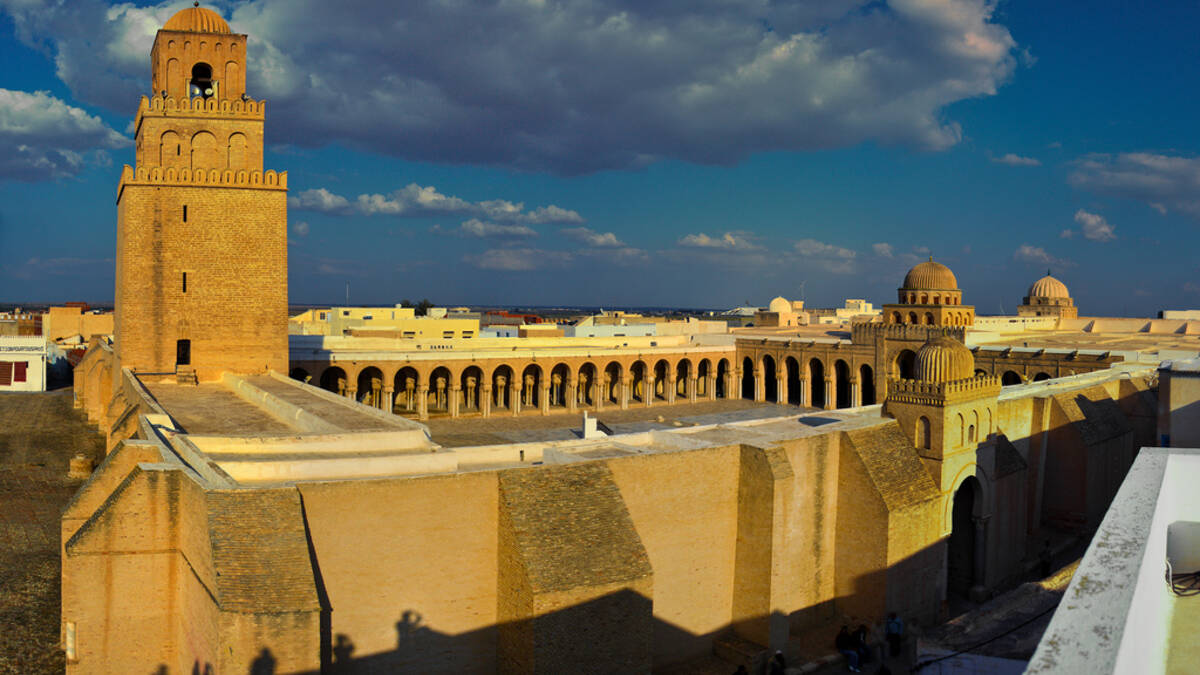 The Great Mosque of KairouanSacred place
 Ringing Rocks County ParkSacred place
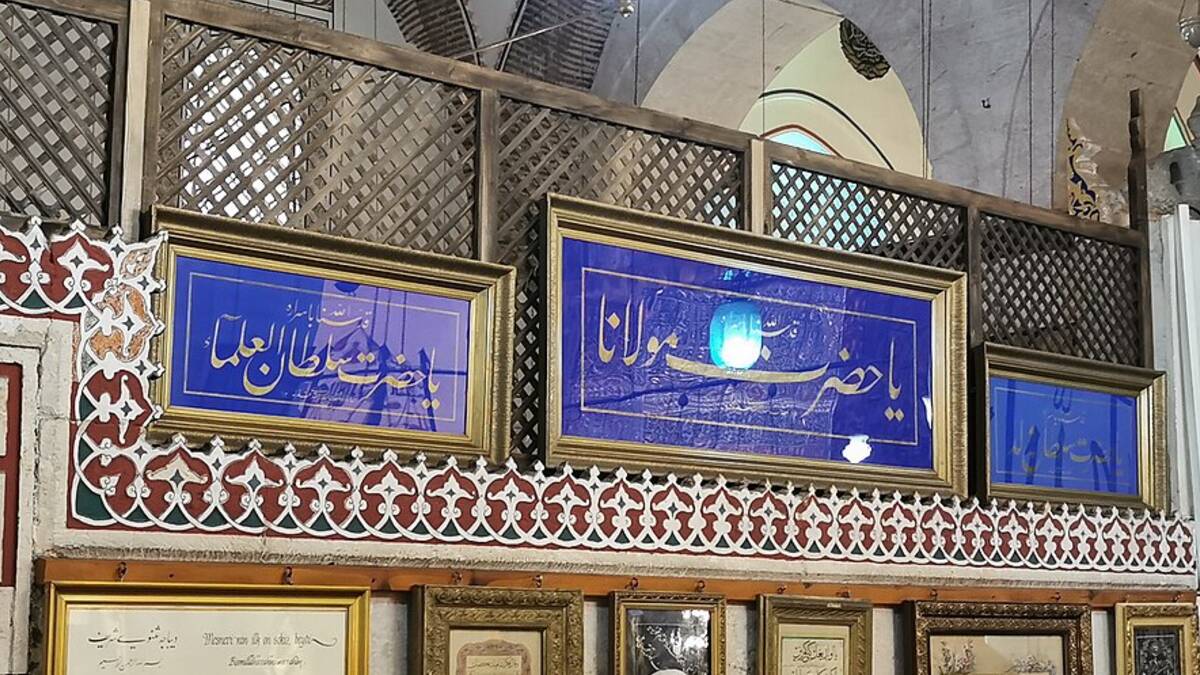 Mevlana Museum (Shrine of Rumi)Sacred place
 Sabbathday Lake Shaker VillageSacred place
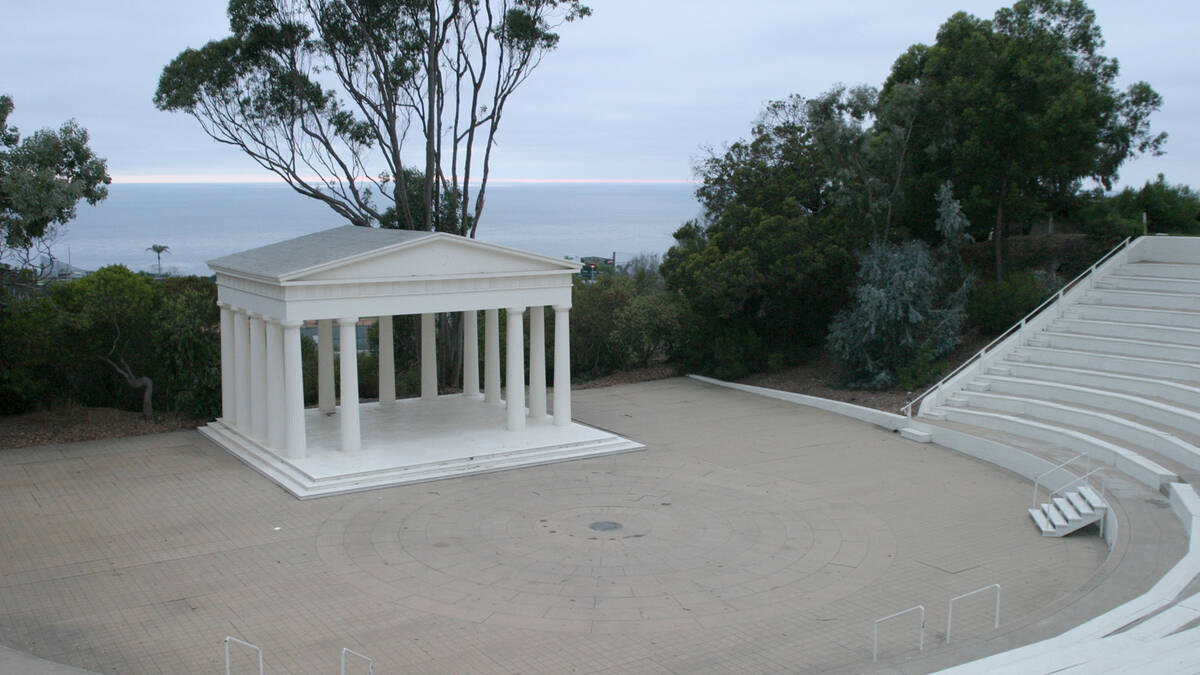 Point Loma Theosophical Grounds (Lomaland)Sacred placeView allMore in sacred vocal & instrumental music
The organizations
Institutions & businesses
Organizations whose work centers on sacred vocal & instrumental music.