Curanderismo
About this tradition
Curanderismo is Latin America's folk healing tradition, the practice of the curandera or curandero, the healer whose word comes from the Spanish verb to heal and whose work sits alongside, and often inside, the biomedical care their communities also use. The tradition's structure is its specialties, which overlap freely rather than forming guilds: the herbalist, the bonesetter, the midwife, the massage healer, the prayer healer, and the espiritista who works the spiritual causes of illness, with the bruja as the tradition's shadow counterpart, the healer people also fear. The healer's authority is the gift, believed a gift from God, transmitted by apprenticeship or by spiritual calling, and the tradition treats illness on the material and spiritual and mental levels at once.
The folk illnesses the tradition names are its own diagnostic world: susto, the fright illness whose mechanism is soul loss, mal de ojo, the evil eye, and mal aire, the evil wind of graveyards and sudden temperature shifts, each treated with the limpieza, the cleansing whose methods, the egg rubbed over the body and then cracked into water to be read, the herbal sweep, the prayers, are the tradition's most famous techniques and carry indigenous names in Nahuatl and Otomi and Purepecha that document their pre-Hispanic depth. Diagnosis proceeds by the glass of water, the pulse, and the seer's sight; the treatment is herbs and ritual and countermagic, occasionally the hexing of the hexer, and the Catholic apparatus runs through all of it, the crucifixes and holy water and saints, patients consulting the curandero over the priest precisely for the witchcraft illness biomedicine doesn't recognize.
Where it came from, briefly: the tradition is the colonial synthesis, indigenous Mesoamerican medicine joined with Catholic ritual and European and African elements where formal medicine was scarce; the Inquisition's records are among its first sources, documenting healers whose reputations the communities sustained and the authorities pursued. The borderlands produced the tradition's famous figures, the faith healer whose recetas treated Anglos and Mexicans alike and the saint of Cabora whose healings drew such crowds that the dictator deported her, and the twentieth century carried the tradition north with immigration, from the borderlands into the cities of the whole country.
The scholarship is strong and unusually kind: the anchor monograph of the anthropologists established the tradition's own theory as its frame, and the folk illness studies produced the field's most striking finding, that susto patients had significantly higher mortality over seven years than matched controls, while rejecting the fatalism hypothesis, and the later work validating the folk illnesses as markers of genuine distress; the systematic reviews document traditional healer use across the population at rates from six percent to two-thirds depending on the community, with dual use alongside biomedicine the norm, driven by accessibility and affordability and language. The community's infrastructure is the botanica, the retail and referral shop whose shelves of herbs and candles and saints' images serve the cities, from New York's hundreds to Southern California's concentration, the customers' study showing mostly women seeking remedies for somatic illness they use interchangeably with conventional care. Access is open: community-based, taught by family and apprenticeship and calling, with the university's courses the one institutional exception. Its counsel is the tradition's own: illness has causes on every level, the cleansing removes what shouldn't be there, and the healer's gift is a service to the community, not a credential to hold over it.
Cultural family
Where it’s found
Access
4 practices
Egg Reading
The limpia con huevo of curanderismo: an egg passed over the body draws off what clings, and its broken form in a glass of water tells what was lifted.
House Blessing & Cleansing
Clearing and blessing the home: the Epiphany chalking and the mezuzah, the folk customs, the space-clearing trade's contested coinage, and the St. Joseph statue's real-estate boom.
Smoke Cleansing
Purifying with smoke: the European fumigation traditions and the Native smudging kept distinct, the white sage black market, and the practice's own directions.
Uncrossing & Curse Removal
Removing crossed conditions in the rootwork tradition: the diagnosis first, the herb baths and psalms, the egg and the candle, and the reading-first rule that guards it.
Go deeper
Immerse yourself
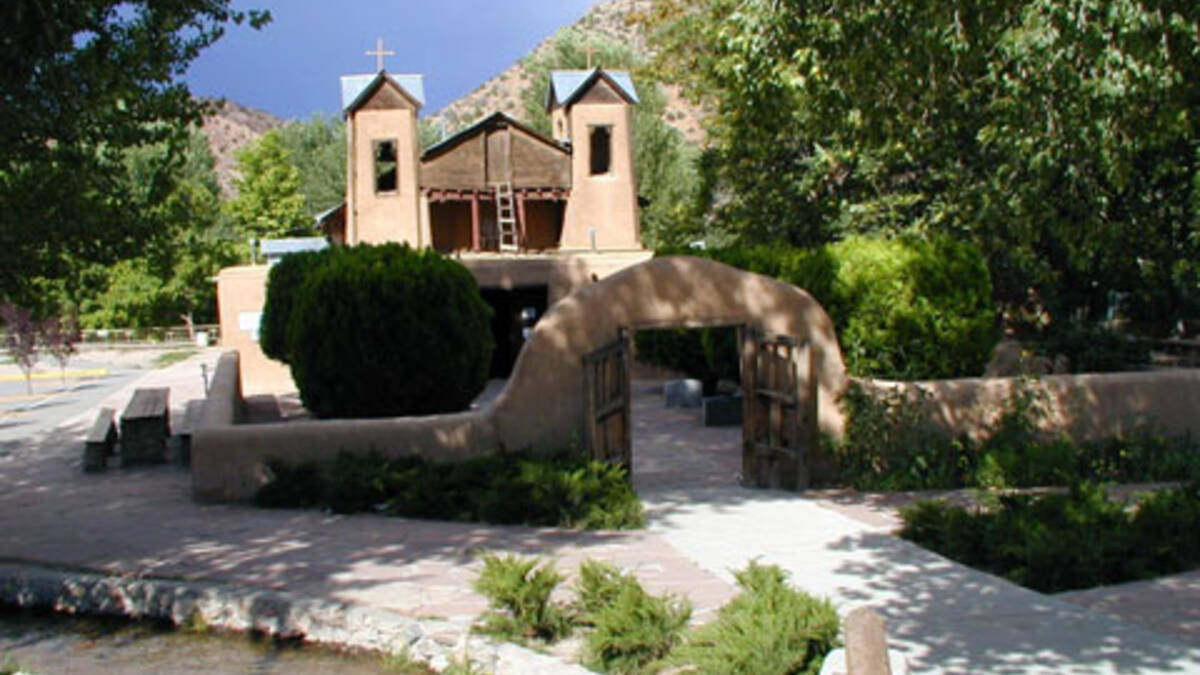
Learn it and visit it: courses that teach curanderismo, and the places held sacred to it.
The lineages
Institutions & businesses
Organizations whose work centers on curanderismo.
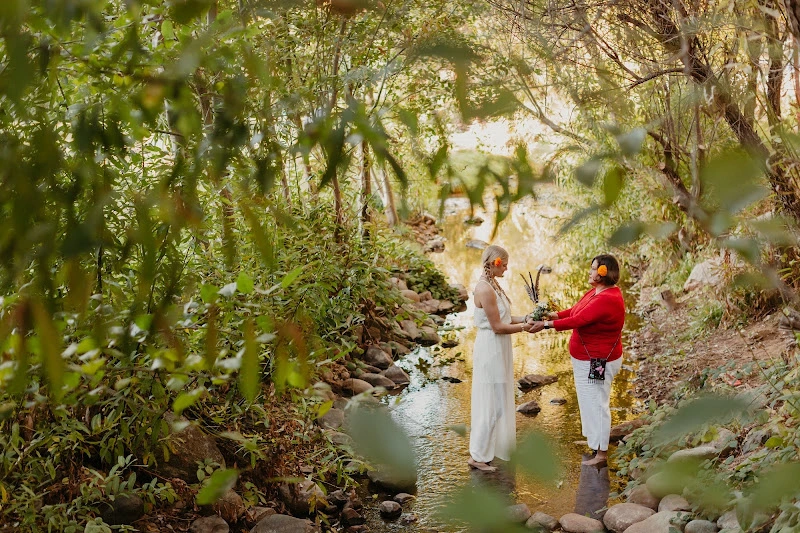 Enchanted Botanicals & Magical ThingsEnchanted Botanicals (by appointment, mail PO Box 296 Camptonville)
 Manna Magic BotanicaMain location
 Botanica del AmorMain location
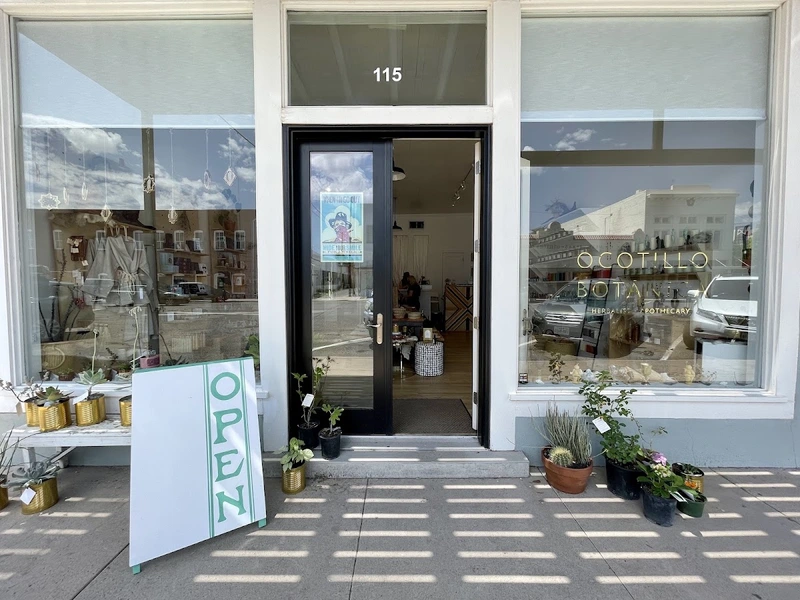 Ocotillo BotánicaOcotillo Botánica
 Mission Street Psychic Candle ShopMain location
 Botanica La GloriaMain locationView allMore in curanderismo