Power Animal & Totem Work
Power animal work is the shamanic practice of finding and keeping an animal spirit ally: the practitioner's journey into the lower world, the animal encountered and brought back, blown into the client's chest and crown and sealed with the rattle's strikes, the ally understood not as metaphor but as literally transferred, present to protect and empower, sometimes for life, sometimes for a season, its departure heralding another's arrival. The term is specific to the system that coined it: the anthropologist-turned-teacher whose core shamanism extracted the journey, the drumming, and the animal spirits from his Amazonian fieldwork and taught them to Western seekers stripped of their cultural contexts, the way of the shaman whose workshops introduced tens of thousands to the practice.
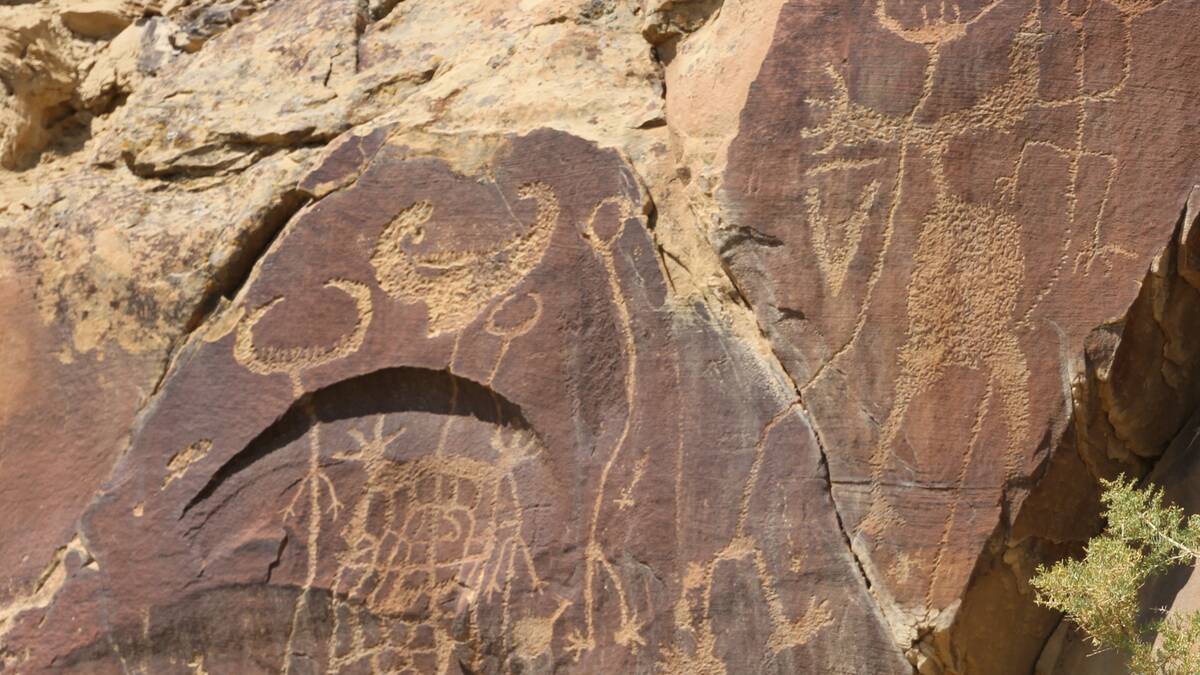
The totem belongs to a different story, and the entry keeps the two apart because the popular language erases the difference. The word comes from Ojibwe clan naming, a dependent noun that requires a person's prefix, my clan or his clan, the clan an inherited kin group whose animal organizes politics and marriage and labor, whose members may not harm their animal, and whose greeting asks another's clan rather than their name. The distorted story is documented: the earliest recorded form glossed as village, the kin group and the village the same thing, the meaning drifting across the nineteenth century into the anthropological concept that made totemism the primordial religion of humanity, Durkheim building his theory of religion on it, Freud his myth of its origin, and the structuralist's famous dissolution of 1962 returning the concept to a misread logic of classification, the technical term questioned by the discipline itself for outliving its usefulness. The totem pole, the popular imagination's emblem of the whole field, is in fact a hereditary crest record: a monument of family-owned rights to images, commemorating ancestry and history, its copying not a tribute but a taking, its name in the owning nation's language meaning crest pole.
The practice's maintenance is the tradition's most charming instruction set: the animal's picture by the bed greeted morning and night, the animal's real biology learned rather than its symbolism, reciprocity paid to the species, a meal offered, the animal called in danger, and the dancing of one's animal, the instruction that echoes the historical masked dances of the Northwest coast and the shaman's transformation into the creature. The modern market runs the full range: the reference bible of animal symbolism that the foundation's own teachers tell clients to avoid, the quizzes and the merchandise economy, the Alaska tourism that made the poles a souvenir industry, and the workshops.
The critique is the practice's context and its substance: the national museum's education guide stating plainly that using spirit animal trivializes Native relationships to the animal world, the Native author's explanation that a spirit helper comes to you in a time of need rather than being chosen or claimed, the scholars' documentation of the commercial exploitation that angered Native activists, and the entry holds all of it as the practice's record. Access is open to the books and the workshops; the hereditary systems they borrow from are not open at all. The counsel the entry draws is the distinction: the power animal is a practice's term, the totem an inheritance, and the seeker's honest path is knowing which one they are touching.
At a glance
- Category
- Shamanic Practice
- Origin of practice
- The term from Harner's Core Shamanism, 1980; the totem concept from Ojibwe clan naming distorted in translation
- Access
- Context-dependentOpenness depends on the specific tradition and context. What access means
Traditions
The living lineages this practice moves within.
Tools & Materials
The power animal practitioner's tools are the drum and the journey: the altered state that opens the lower world, the retrieved animal blown into the body, the rattle that seals. The maintenance kit is the tradition's instruction: the picture by the bed, the greeting, the biology book rather than the symbol dictionary, the offering meal, the dance. The totem's tools belong to the nations: the hereditary crests, the poles raised and maintained by the families who own their images, the clan governance the animal names organize. The market's tools are the reference books, the quizzes, the jewelry, and the workshops, priced from tens to hundreds. The tradition's texts span the field: the way of the shaman, the retrieval accounts, the anthropological literature from the elementary forms through the structuralist's dissolution, and the indigenous education guides that state the practice's boundaries. What the practice requires beyond the tools is discernment about sources: the difference between the personal ally the system teaches and the inherited emblem the nations keep, and the respect that keeps the seeker on the right side of that line.
Elements & Concepts
The power animal. The personal animal ally of the shamanic system: retrieved in the journey, protective and empowering, its term coined by the tradition that teaches it.
The retrieval journey. The drumming descent, the animal's appearance, the blowing into chest and crown: the practice's rite, its mechanics published by the foundation's own accounts.
The totem. The inherited clan emblem of the Ojibwe system and its Northwest coast cousins: politics and marriage and labor organized by animal names, the pole a family's owned crest record. The concept the popular language borrows and distorts.
Dancing your animal. The tradition's most characteristic instruction: embodying the ally in movement, echoing the masked dances of the coast. The practice's living expression.
Go deeper
Immerse yourself
Learn it and visit it: courses that teach power animal & totem work, and the places held sacred to it.
The organizations
Institutions & businesses
Organizations whose work centers on power animal & totem work.