Vision Quest
The vision quest is the solitary seeking of a vision: the seeker prepared and purified, set alone on a hill with a blanket and a pipe, fasting and praying through the days and nights until a vision comes, and returning to have it told and interpreted by the holy man who guided the rite. The Lakota form is one of the seven sacred rites, crying for a vision, its sequence specific: the seeker brings a filled pipe to the holy man and asks his guidance, all smoke together, the sweat lodge purifies, the seeker traditionally building it himself, and the helpers prepare a place on an isolated hill, the four days' fast without food or water, the visions most often arriving as animals and most powerfully in dreams, the helpers retrieving the seeker and the closing sweat followed by the telling of everything, the holy man's interpretation authoritative and communal, the vision belonging to the people rather than to the seeker alone.
The Plains ethnography gives the practice its comparative record: the classic study of the vision in Plains culture mapped the practice across the nations a century ago, the later scholarship finding no sharp boundaries between the traditions and wide variation within them, the purification by sweat or white clay, the fasting beds of brush and stone, the self-suspension of the Crow among the rites' severest forms, and the entry's two most instructive facts from that literature: visions also arrive unbidden, in illness and mourning and dance, the quest being the most direct means rather than the only one, and not every quest succeeds, most seekers in some accounts returning empty, the false vision a recognized failure repeated until signs confirm. The role in traditional life is the transition rite and the power's acquisition, the spirit helper gained, the healing and war and horse power transmitted with the ceremonial knowledge that carries it, the visions entering the people's annals.
The modern appropriation is the practice's contested legacy, and the entry carries both sides with the sources' own dates: the elders' declaration of war against the spirituality's exploiters naming the pseudo-religious corporations that charged money for phony sweat lodges and vision quest programs; the self-help teacher's thirty-six-hour non-Native vision quest at ten thousand dollars per person preceding the sweat lodge deaths of 2009, the practice's most notorious commercialization; and the wilderness school founded in the nineteen-seventies by the fired professor and the dancer whose Nevada desert year preceded their rite-of-passage company, their book of the vision quest carrying the practice to the human-potential market, their stated commitment to self-generated ceremony rather than tribal ritual, the indigenous teachers they named part of their founding record, and the vision fast form they developed, the three days alone with water kept and the buddy system, the guides mirroring the story back and the year-long integration, becoming the modern movement's template.
The psychology lineage connects the practice to the wilderness programs: the ecopsychology founder's twenty-year study of wilderness effect, the Outward Bound solo as the mass-market descendant, the wilderness therapy programs that borrow the solo and fast frame, and the peer-reviewed study of the wilderness solo experience, the practice's secular cousins documented by the research. Access remains gated by tradition: the rite requires the holy man who guides and interprets, the elders choose the site, the meaning is determined communally, and the vision belongs to the people; the modern fasts are open to anyone who books them and still contested, the word itself an English overlay on practices that name it in their own tongues. The entry's counsel is the tradition's own: the vision comes to the worthy, the interpreter matters more than the hill, and what is received on the hill belongs to the people who wait below.
At a glance
- Category
- Shamanic Practice
- Origin of practice
- The Plains nations of North America; the wilderness rite of passage movement from 1970s California
- Access
- ClosedClosed to those outside the tradition. What access means
Traditions
The living lineages this practice moves within.
Tools & Materials
The vision quest's tools are the pipe and the hill: the filled pipe carried to the holy man, the tobacco prayer ties that mark the prayer circle's ring, the blanket that is the seeker's only shelter, and the prepared place, the brush bed or the cleared depression ringed with stone. The sweat lodge purifies before and after, the seeker traditionally building the first himself. The interpreter's instrument is the telling: the full account given to the holy man whose reading the tradition treats as authoritative, the failed quest repeated until signs confirm. The modern wilderness school supplies its own kit: the water kept, the buddy system, the base camp's support, the guides trained in the mirroring of the story. The tradition's texts are the sacred pipe's recorded rites, the ethnographies, and the modern school's books. What the practice requires beyond the tools is the community: the helpers who watch, the interpreter who reads, and the people among whom the vision is told, the rite's social frame as essential as its solitude.
Elements & Concepts
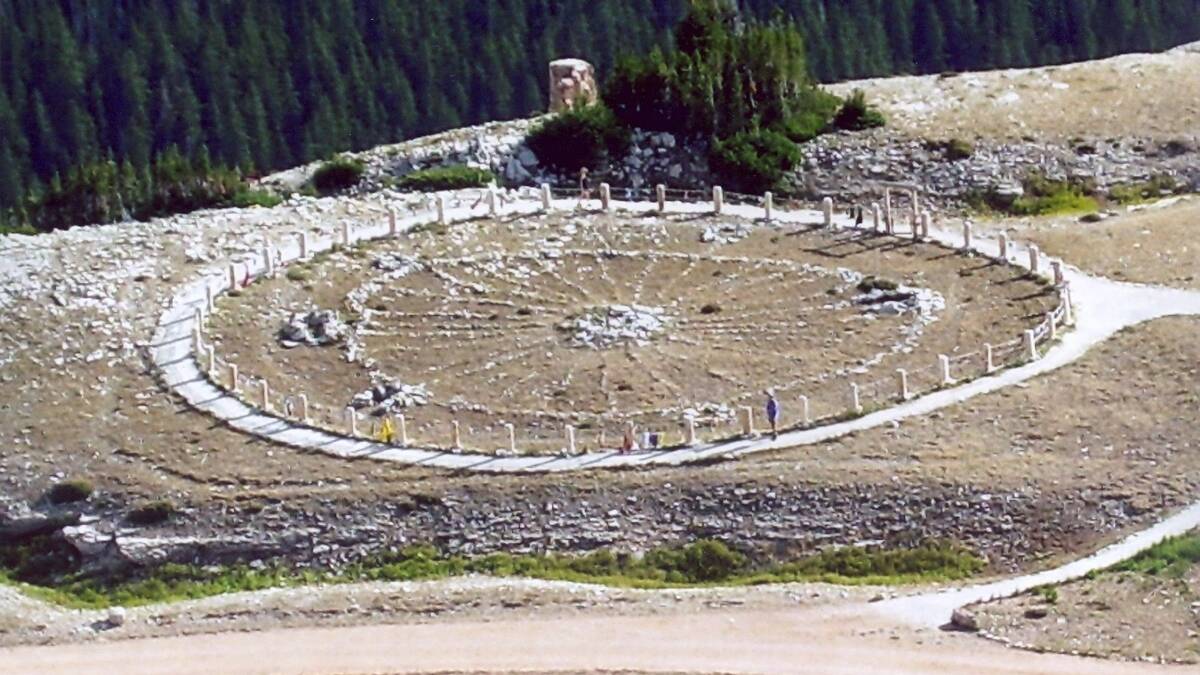
The hill. The isolated and elevated place of the fast: the practice's stage, chosen by the elders, marked by the prayer ties' ring.
The fast. The days without food or water, crying and praying aloud: the rite's ordeal, its length by tradition, its visions arriving most often in sleep.
The prayer ties. The cloth-wrapped tobacco strings marking the prayer circle: the practice's visible offering, and the seeker's continuous devotion made material.
The interpretation. The telling of everything to the holy man, and the communal reading of what came: the rite's completion, without which the vision is only a dream.
Go deeper
Immerse yourself
Learn it and visit it: courses that teach vision quest, and the places held sacred to it.