West African Vodun

About this tradition
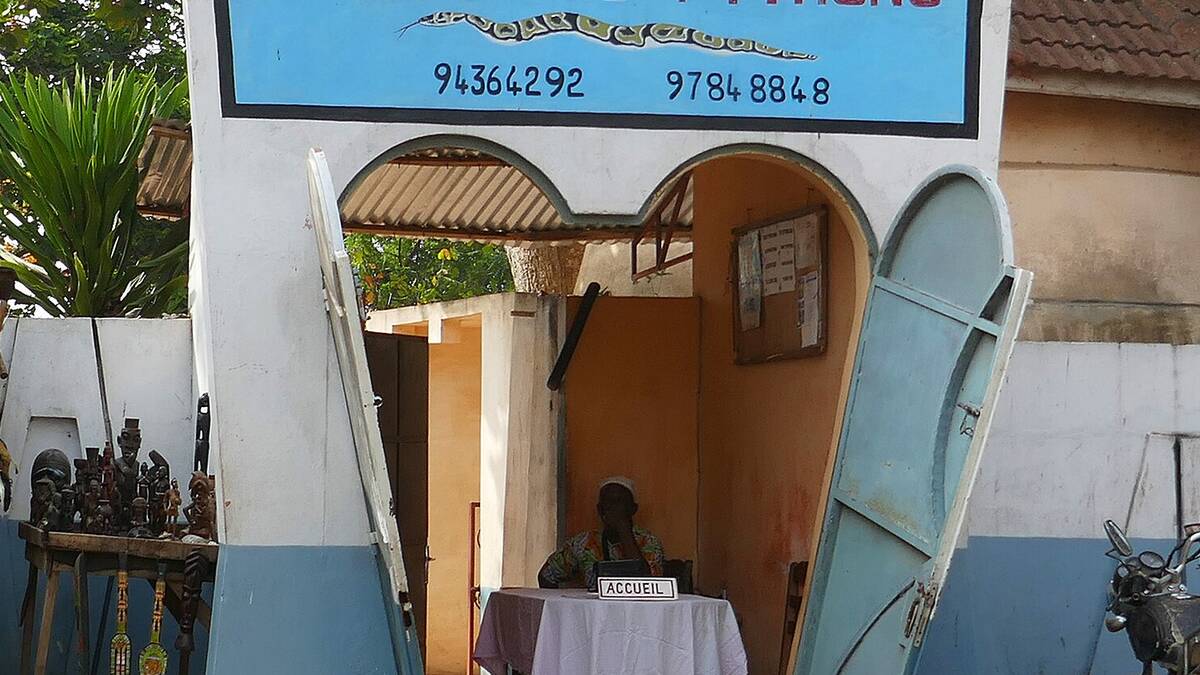
West African Vodun is the traditional religion of the Aja, Ewe, and Fon peoples of Benin and Togo and Ghana, the source from which the diaspora religions descend, its practitioners the wives of the vodun, a title for both sexes, its organization fragmented into small independent cult units with no central authority and no central text, efficacy over dogma. Its pantheon descends from the creator pair whose seven children include the earth spirit and the thunder spirit whose cult is among the most popular in southern Benin and the sea and iron and forest spirits, the crossroads figure first consulted at every working, the serpent vodun whose Ouidah temple keeps its pythons, and the water spirit whose standard image traces to a European lithograph. The divine power, cognate to the ashe of the Yoruba religion, concentrates in the shrines, which are the spirits' physical incarnations rather than representations, built from spirit-specific ingredients and maintained for centuries.
What practitioners do: the shrine worship with offerings and animal sacrifice, the healing central to the tradition through charms and leaf medicine, the divination by the sacred palm nuts or the chain whose two hundred fifty-six signs each person's life sign belongs to, the possession trance to drums, and the annual cycle of cult feasts and funerals, the lifecycle's biggest rituals. The convent initiation, inside the family compound under the priest's direction, secludes the novices for training chiefly in song and dance, formerly years and now shorter, ending in a public coming-out; the diviner's society governs the fa system, honored by UNESCO as intangible heritage, and foreigners can be initiated at higher fees, most of the spiritual tourists entering the divination.
Where it came from, briefly: the Fon state of Dahomey wove its cults into kingship, adopting the divination system from its Yoruba overlords, and Ouidah's embarkation port carried the religion into slavery's diaspora as the substrate of Haitian Vodou and Louisiana Voodoo and the Jeje nation of Candomble. The colonial conquest and the missions attacked the cults through the nineteenth century; the Marxist republic of the 1970s banned ceremonies and drove initiations underground; and the democratization of the 1990s reversed it all, the international festival, the national Vodun day proclaimed a paid public holiday by the law of 1997 and now rebranded as a tourism initiative, the first national holiday for the religion anywhere in Africa.
The scholarship's standard works run from the classic two-volume ethnography of Dahomey through the studies of music and trance and art and psychology and the recent ethnographies of shrines in Togo and secrecy in Benin, and the heritage politics is part of the subject: Ouidah's memory sites, the door of no return, the high priest whose title's claims are contested outside his city, and the diaspora homecoming pilgrimages that are themselves part of the economy. The community's numbers are the census's eleven percent against the expert estimates of forty or more, the gap being dual practice with Christianity, presented here as the sources present it, not reconciled. Access is initiatory at the core, the convent and the diviner's society and the all-male secret societies closed with a strong secrecy culture, while the ceremonies and the national day are public and the tourists are actively courted. Its counsel is the tradition's own: the vodun are fed and honored as present powers, not symbols; the shrine is the spirit; and the secrets, in a religion of efficacy rather than dogma, are kept because the power depends on them.
also known as Vodun
Cultural family
Where it’s found
Access
3 practices
Altar Craft
Making and keeping the altar: the household gods' niche and the butsudan's cabinet, the ancestor's photographs and the working tools, and the maintenance that is the craft.
Drum Circle & Sacred Rhythm
Community rhythm-making: the free-form circle and its facilitated cousin, the pagan fire circle's all-night drumming, and the health research that surrounds it.
Trance Mediumship
The medium who steps aside and lets a spirit speak: the controls of the golden age, the guides of the channeling wave, and the dissociation debate that frames the state.
Go deeper
Immerse yourself
Learn it and visit it: courses that teach west african vodun, and the places held sacred to it.
The lineages
Institutions & businesses
Organizations whose work centers on west african vodun.