Rosicrucianism

About this tradition
Rosicrucianism is the tradition of the rose cross, and it began as literature: the three anonymous manifestos published in Germany in 1614 through 1616 announced a secret brotherhood founded by the legendary Christian Rosenkreuz, whose tomb had been rediscovered with its ever-burning lamp and revelatory texts, signaling the time to open hidden knowledge to the world. The brotherhood taught a synthesis of qabalah and hermeticism and alchemy in Christian mysticism's service, toward a promised universal reformation, and the scholars' consensus is that its founders were the Lutheran Tubingen circle around Johann Valentin Andreae, who later called the whole thing a lampoon, though whether from candor or career protection remains debated. The myth then became real: the actual Rosicrucian organizations begin in the eighteenth century, and the tradition's three strands carry it today, the esoteric-Christian schools, the masonic Rosicrucian bodies whose college grades fed the Golden Dawn, and the great correspondence orders.
What practitioners do today is mostly study: the home-study monographs arriving monthly, the degrees progressing from consciousness and meditation through the soul's nature and the sacred architecture and healing toward the mental alchemy and the rose-cross symbolism, the simple self-experiments in visualization and breathing and sound the order frames as verification through direct experience, the home sanctum as the core with the lodge convocations and initiations near a body of members. The masonic colleges meet and read research papers; the Dutch school teaches its own dualist path of transfiguration and rejects magic and occultism outright, a boundary its founder's line holds as doctrine.
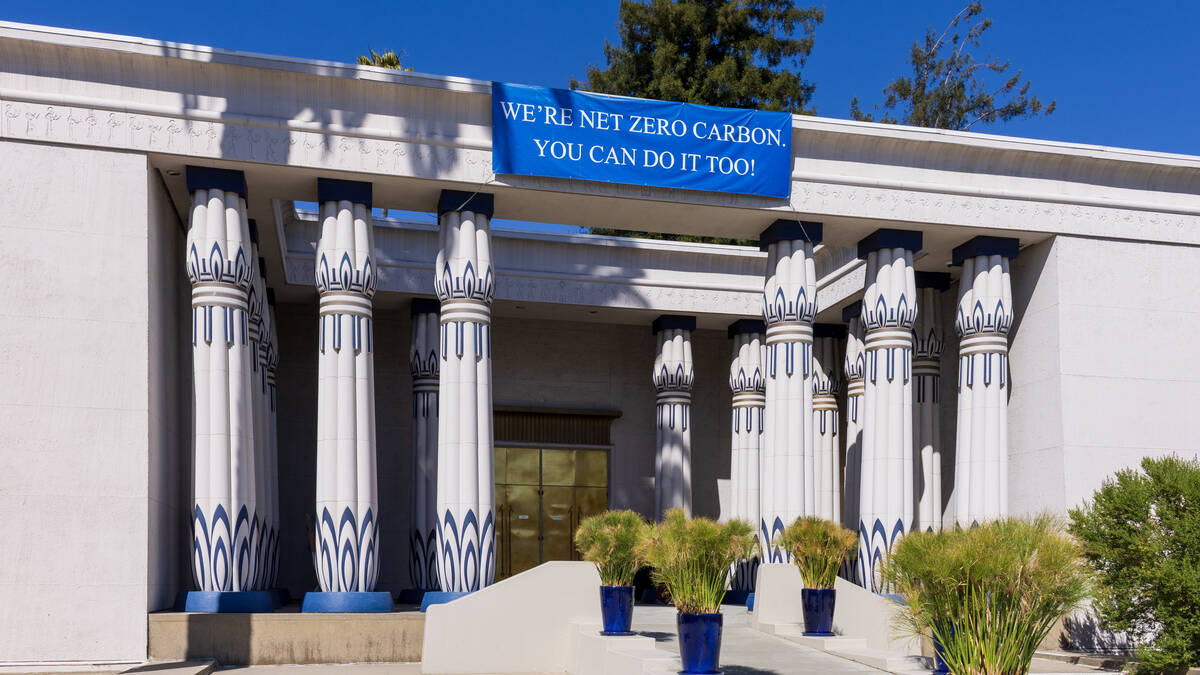
Where it came from, briefly: after the manifestos' furore, some four hundred works discussing them within six years and the Paris posters of 1622 declaring the brotherhood's invisible presence, the eighteenth century's alchemical order infiltrated Prussian masonry and the rose-croix degree entered the rites, the nineteenth century produced the English society and its American daughter and the French order, and the twentieth century built the great orders: the Fellowship in California in 1909, the largest order founded in 1915 whose San Jose park grew its museum and planetarium, and the Dutch school whose Nazi-era suppression it survived. The scholarship's debates run through the classic thesis tying the movement to early modern science, contested in its details, and the recent monograph situating the manifestos' reformation program in the court milieu, while the cultural reach, from the Romantic novels through the Paris salons to the conspiracy literature, is the myth's own afterlife.
The largest order's self-reported quarter million members and its museum's four thousand artifacts and hundred thousand annual visitors, the Dutch school's fifteen thousand, the masonic colleges across three continents, are the community's shape. Access is initiation and correspondence based: the wallet gate is open, anyone can join the courses for a modest monthly fee, while the inner gate is the years of monograph progression and the lodge initiations, and the masonic college admits only Master Masons. Its counsel is the tradition's own: the knowledge is sought through study and experiment, the brotherhood is invisible by design, and the rose upon the cross, the blossom upon the wood, is the tradition's own image for what the work is supposed to grow.
Cultural family
Where it’s found
Access
3 practices
Alchemy
The art of transmutation and its modern lives: the laboratory practice the historians have restored, the spiritual reading Jung gave it, and the two tracks that claim its name today.
Kabbalistic Pathworking
Guided visionary journeys through the Tree of Life's paths: the Golden Dawn's skrying technique, the tarot's late arrival on the tree, and the practice's modern forms.
Sacred Geometry
Geometry as contemplative and healing practice: the flower of life's 1990s invention, the Abydos myth debunked, the mathematicians' verdicts, and the merkaba's seventeen breaths.
Go deeper
Immerse yourself
Learn it and visit it: courses that teach rosicrucianism, and the places held sacred to it.
The lineages
Institutions & businesses
Organizations whose work centers on rosicrucianism.