Polarity Therapy
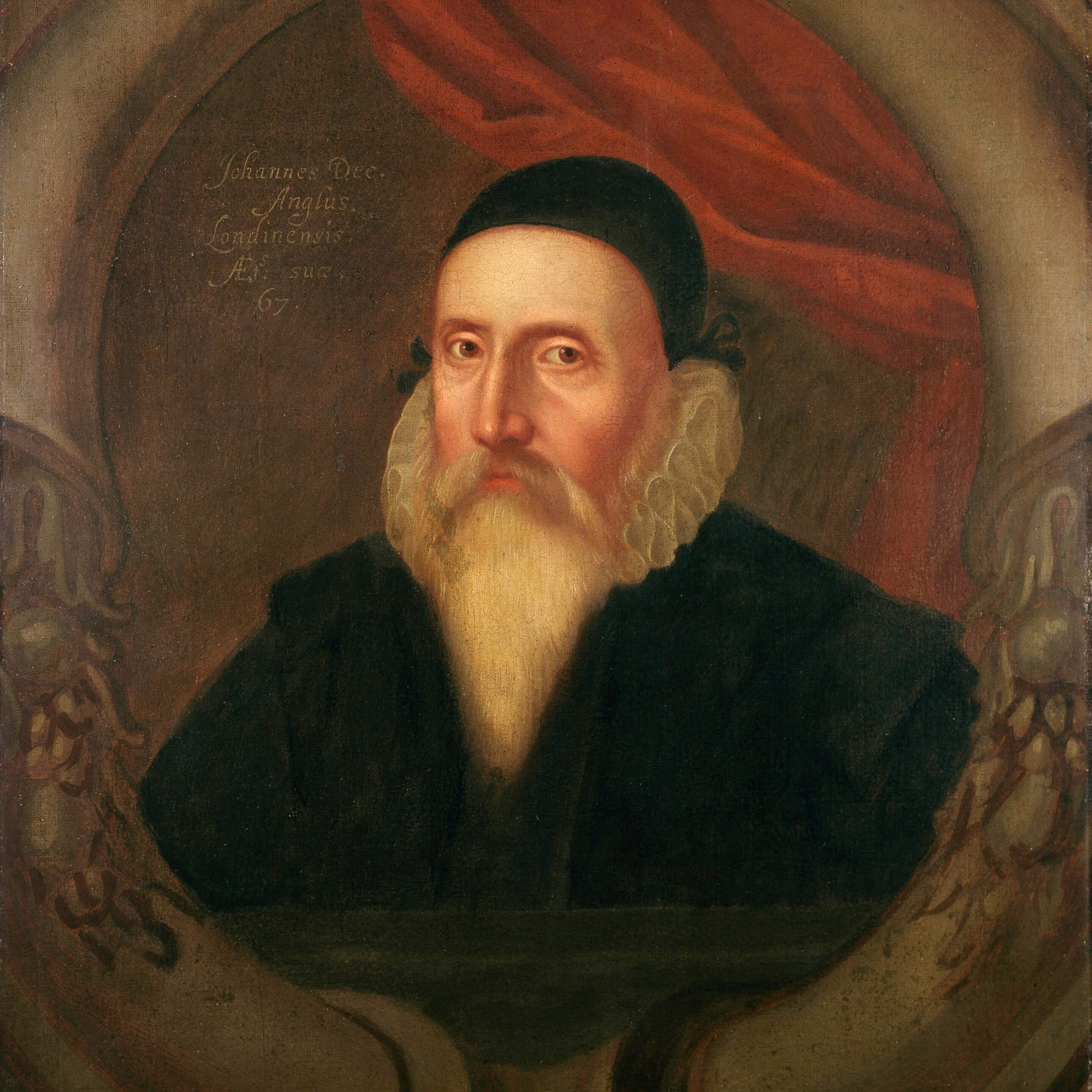
Polarity therapy is a complete system built on a simple image: the body as a field of currents, positive, negative, and neutral, health the free flow between the poles, illness the flow blocked. Its founder was an American osteopath and chiropractor and naturopath, a European-born practitioner who spent nearly six decades in Chicago practice and then half of each remaining year in India, where his study of ayurvedic medicine gave his system its theoretical spine. He wrote the system's books across the middle of the century, its charts and its exercises, and taught it to the students who formalized it after him; he retired to the Punjab spiritual community he had long belonged to and died there at ninety-one, the system's founding having been one strand of a whole life's seeking.
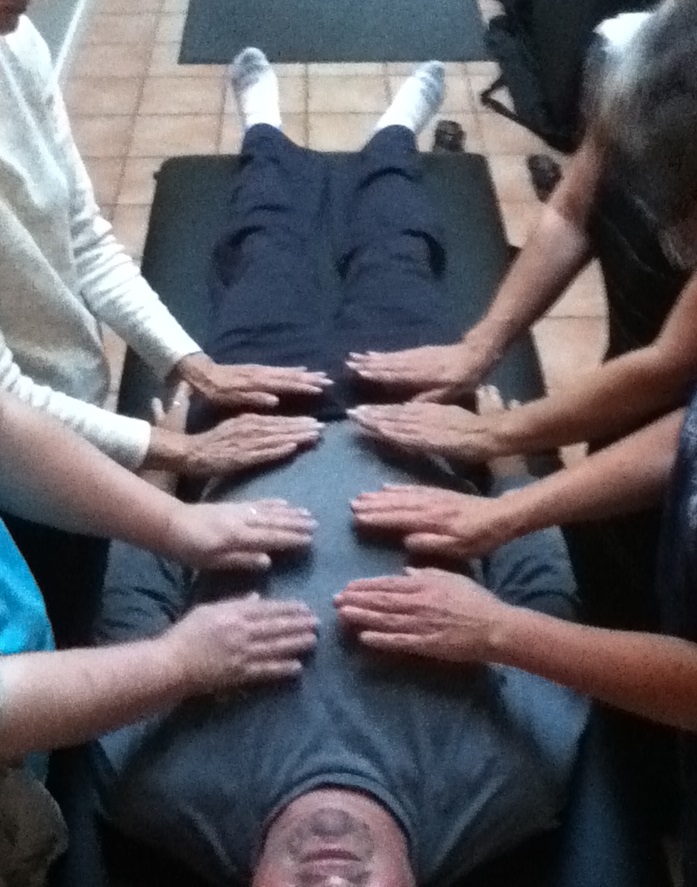
The system's anatomy is layered. At its center runs the primary energy of the cranium, spine, and sacrum, the axis the craniosacral tradition would come to share with it; through the body move the three principles, mapped from the Indian qualities of expansion, transition, and contraction; and the five elements, ether, air, fire, water, and earth, each governing functional centers down the trunk, each with its own bodywork protocol, its own signs of imbalance, and its own territory of feeling. The practitioner's touch completes circuits: one hand at a positive pole, another at a negative, contacts that link the body's resonant zones and invite the flow to resume. The touch ranges from feather-light to active, sometimes hovering entirely off the body, and it is always double: the hands read as they work, assessing blockage while inviting release.
The system is deliberately whole. Alongside the bodywork stand the cleansing diet, oriented toward the lacto-vegetarian and the juice, the exercises Stone designed and called polarity yoga, rocking and stretching routines that clients perform themselves, and the counseling posture the practice holds essential: the session includes conversation, self-awareness work, and the understanding that energy blocks carry feeling. The four strands together are what the founder meant by polarity therapy, and the training keeps them woven; a practitioner learns all four before any one.
The professional structure is the system's own. The American association founded in the eighties defines the training standards, a graded ladder from the entry credential through the registered practitioner to the board-certified level, eight hundred hours with supervised clinical practice, and the training itself requires the student to receive the work as part of learning it. The system's relationship to the clinical world is the one the research record gives: two small trials in cancer care, a systematic review concluding the bioenergy modalities had not shown effects beyond attention and expectation, and a practice whose schools answer with the founder's own distinction, that the work addresses the person's energy and habits rather than their diseases, a scope the tradition states plainly and keeps.
The practice's closest kin are the systems it drew from and the one it fed: ayurveda's elements and qualities, the osteopathic and cranial traditions, and the zone work of the feet that its element protocols actively use. It remains one of the most complete and least famous of the energy systems, practiced by a small and dedicated professional community, taught in the schools its students founded, and preserved in its founder's own words online, the books made free by the school that carries his name.
At a glance
- Category
- Energy & Spiritual Healing
- Origin of practice
- Chicago, 1940s; developed from ayurvedic and osteopathic sources
- Access
- OpenOpen to all , no initiation required. What access means
Traditions
The living lineages this practice moves within.
Tools & Materials
Polarity therapy's tools are the bodywork table and the practitioner's trained hands, contacts that complete circuits between the body's poles; the session's supports are the client's loose clothing and the practitioner's charts, the founder's own diagrams of the elements' centers and the currents' pathways. The diet and exercise components travel home with the client: the cleansing regimens and the polarity yoga routines, the founder's stretching and rocking sequences, learned in session and practiced daily. The reference shelf is the system's core possession: the founder's books and charts, made freely available by the Colorado school that preserves his work, the association's training standards, and the five-element protocols that organize the bodywork. Training requires the student to receive sessions as part of the curriculum, the system's own understanding that one learns polarity by knowing it from within.
Elements & Concepts
The three principles. The system's dynamic: expansion, transition, and contraction, mapped from the Indian qualities, governing how energy moves. The theory beneath every contact.
The five elements. Ether, air, fire, water, and earth as the body's functional centers, each with its own bodywork protocol and its own signs of imbalance. The system's clinical map, and the session's organizing structure.
The circuit. The touch's principle: contacts at paired poles linking resonant zones, the practitioner's hands completing what blockage has interrupted. The bodywork's signature move.
Polarity yoga. The founder's self-care exercises: the rocking and stretching routines clients perform between sessions. The system's answer to daily practice, and part of its whole-person design.
The organizations
Institutions & businesses
Organizations whose work centers on polarity therapy.