Electional Astrology
Electional astrology is the practice of choosing the moment: given an undertaking, find the time when the sky favors it. The branch inverts the horary question. Horary takes the moment a question is asked and reads the answer from it; electional takes a desired outcome and searches the calendar for the moment whose chart supports it. The classical tradition called the work the astrology of beginnings, and held that whatever has a definite start, a marriage, a journey, a building, a business, carries the chart of that start the way a person carries a birth chart, and that the astrologer who chooses the start chooses the chart.
The method's architecture has three pillars, taught from the classical manual forward. The ascendant and its ruler stand for the matter's actor; the Moon is the engine, the mediator through which every terrestrial event unfolds, and her condition, sign, aspects, freedom from affliction, is the election's most examined element; and the significator of the matter itself, the planet governing whatever is being begun, completes the trio. Around them the astrologer manages the malefics, strengthens the angles, and layers the refinements, with the ascendant's controllability the practice's greatest practical advantage: shift the chosen hour within a day and the whole rising sign changes, a lever no other branch of astrology holds. The tradition's doctrine, stated in every school, is that no perfect chart exists: elections work by building the strongest hierarchy of testimonies available within the client's real-world window, making the outcome better than it would have been, not perfect.
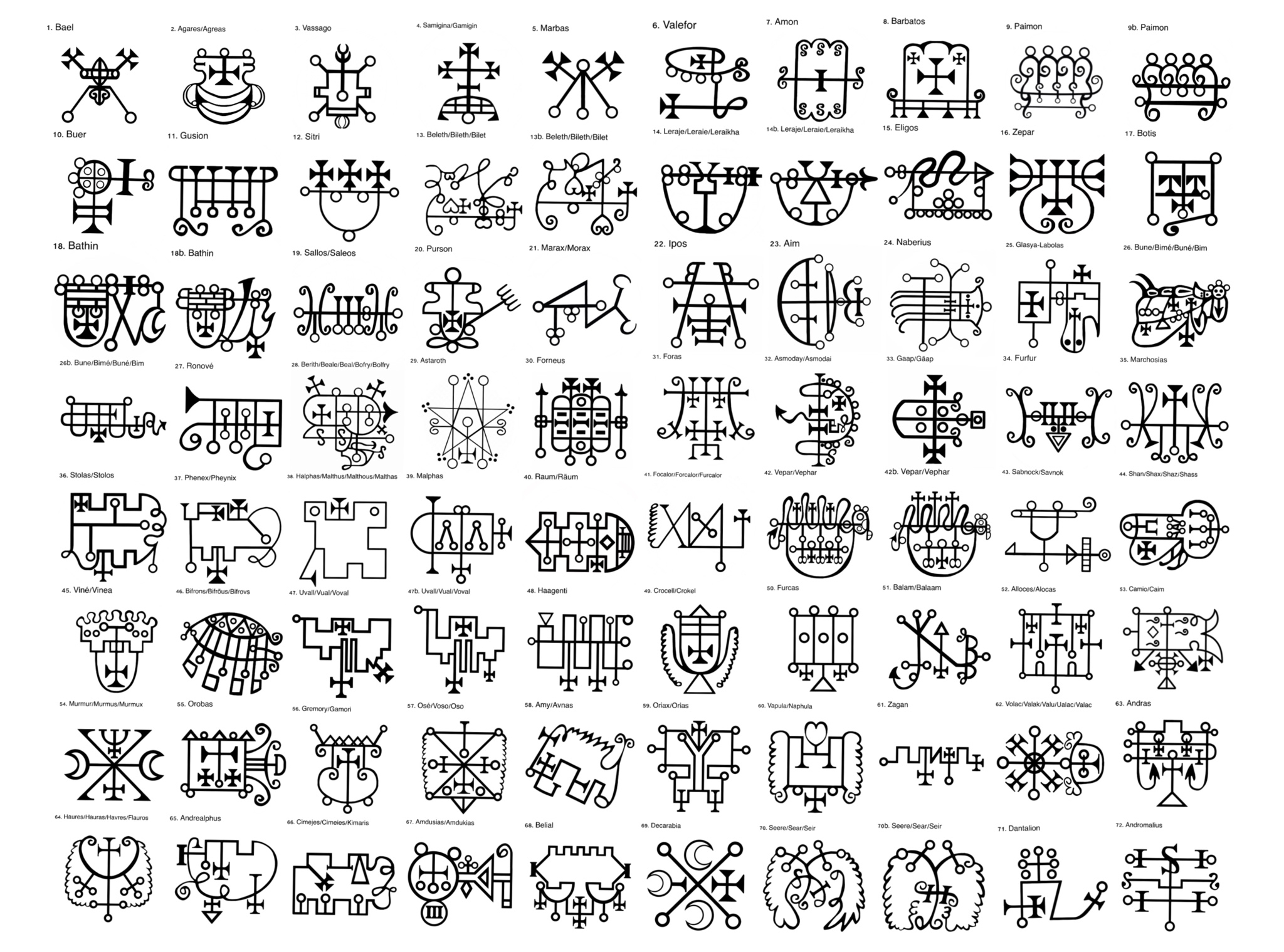
The lineage runs deep. The oldest surviving manual is the fifth book of a first-century didactic poem, and the tradition's name comes from the Arabic schools that carried the practice through the medieval world: the choices, the ikhtiyarat, of the Abbasid astrologers, translated into Latin as the de electionibus, gave the English branch its label. The magic tradition inherited the timing requirements: the grimoires' planetary days and hours, the talisman consecrations whose charts the astrological magicians still elect, descend from the Arabic astral-magic handbook that the thirteenth-century Castilian court translated. And the practice's famous modern clients made its cultural legend: the astrologer who elected Queen Elizabeth's coronation, and the one who timed the Reagan presidency's signings and announcements from the White House.
The parallel traditions built the same work on their own foundations. India's muhurta, the electional science of the Vedic tradition, runs a parallel stack, the Moon's mansion the primary factor, the combustion of benefics an absolute prohibition, the ascendant the corrective that overrides other defects; and China's date selection, the choosing art of the imperial almanac, supplied propitious days for weddings and state occasions for two millennia, its printed calendars among history's best-selling documents. The three systems are independent and convergent, and the astrologers who study all three treat the agreement between them as the strongest available confirmation.
The modern revival recovered the practice through translations of the classical manuals, and the teaching schools run dedicated electional courses; the elections published monthly for the general reader, the practitioner's consultations for weddings and launches and signings, and the medical-timing tradition, surgery elected by the Moon's condition, carry the work into use. Its ethics belong to the practice: elections choose among what the client's window offers, cannot override what fate holds, and can be aimed at third parties, a fact the tradition's own history records without pretending otherwise.
The science verdict accompanies the practice as it does all astrology: empirically unsupported, classified with its parent. The astrologer's counsel, in this branch more than any other, is the tradition's own framing: not that the elected hour guarantees, but that among available hours it is better to begin under a helpful sky than an unhelpful one.
At a glance
- Category
- Astrology
- Origin of practice
- Babylonian beginnings; the classical treatise from first-century Syria; the Arabic schools gave it its name
- Access
- OpenOpen to all , no initiation required. What access means
Traditions
The living lineages this practice moves within.
Tools & Materials
The electional astrologer's instruments are the calendar and the ephemeris: the dates and times ahead searched for the charts that fit, the software rendering candidate hours in seconds where the medieval astrologer computed by hand. The reference shelf is the branch's spine: the classical manuals in modern translation, the Arabic choices, the standard textbook of the field's modern form, and the teaching courses that drill the three pillars and the no-perfect-chart discipline. The practice's output is the elected date and its reasoning, delivered with the hierarchy of testimonies explained, and the astrologer's journal of elections and their outcomes is the tradition's quality record. The parallel traditions' tools are their own: the panchang's muhurat calendars and the Chinese almanac's day gradings, each system's election published where its culture keeps them. What the practice never promises is the perfect chart, and the practitioner who says otherwise is contradicting the manuals they cite.
Elements & Concepts
The three pillars. Ascendant and ruler for the actor, Moon for the unfolding, matter's significator for the thing itself: the election's architectural frame, taught since the first manual.
The Moon's condition. The engine of every event: the Moon's sign, aspects, and freedom from affliction as the election's most examined factor. Where most elections succeed or fail.
The no-perfect-chart doctrine. The tradition's settled realism: no elected hour is flawless, and the art is the hierarchy of testimonies within the client's window. The discipline that separates electional practice from wishful thinking.
The planetary hours. The day's division into planetary rulerships, inherited from the magical tradition: the election's finest adjustment, and the grimoire timing's surviving instrument.
The organizations
Institutions & businesses
Organizations whose work centers on electional astrology.