Death Doula & Transition Work
Death doula work is non-medical companionship through dying: the end-of-life doula supporting the dying person and their family from diagnosis through the active dying and after, the comfort measures and advocacy and vigil sitting that hospice cannot staff, the practice's ethic stated in its teachers' own phrase, never in charge, never taking the lead, the dying person's desires driving the work. The doula's span is wider than death's day: the legacy projects recording how the person wants to be remembered, the planning and the letters and the forgiveness work, the respite for the family, and the vigil's watch, the practice's name borrowed from the birth movement's Greek serving-woman two decades after birth doulas organized, and its older American usage, the death midwife, predating the modern term in the home funeral guides' practice.
The movement's documented history is recent: the hospice movement's founder's vision and the first American hospice of 1974; the philanthropist who saw end-of-life work as doula-like in 1998; the social worker who created the first hospice-based doula program in 2003; the Texas hospital's program; the independent certificate program of 2010; the nurse's No One Dies Alone; and the alliance founded in the late twenty-tens, its founding date disputed between sources and the entry states both, the membership organization's proficiency badge an optional competency assessment rather than licensure, the board's own statement that end-of-life doulas are not eligible for licensure by any state or academic body. The death-positive movement grew alongside: the mortician's order founded in 2011, the term coined there, the death salons and the ask-a-mortician channel's quarter-billion views, the death cafés, and the home funeral revival's alliance, deliberately education-only and certification-free, its guiding principle support rather than mandate, the families' right to care for their own dead legal in every state with paperwork's exceptions.
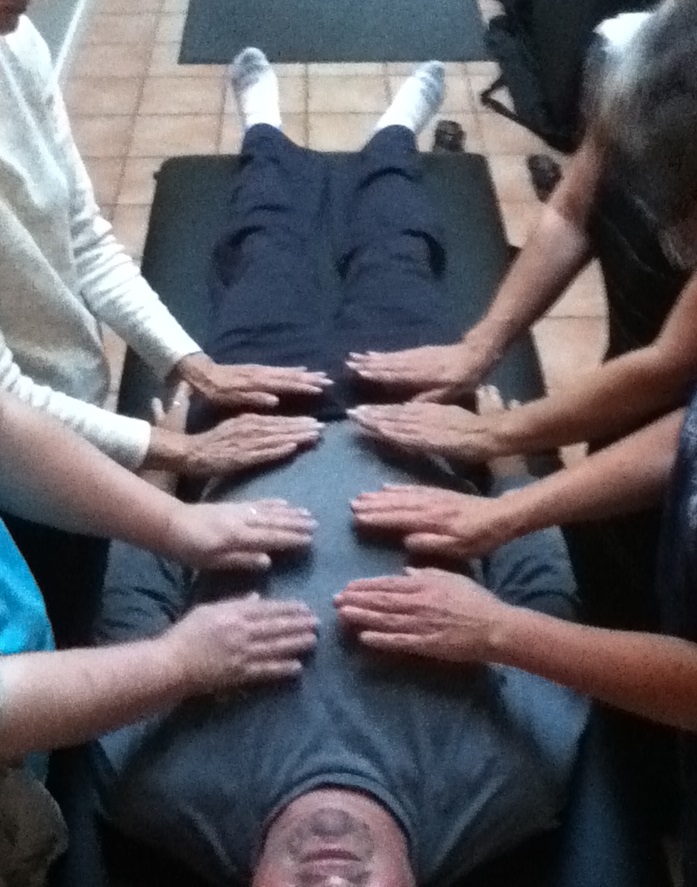
The practice's scope is non-medical, and its rituals are its most distinctive offering: the vigil planned in advance with the family, the anointing and the toning and the breath matching, the bathing rituals, the body blessing passed family to family, the bed moved under the sky at the end, the eleventh-hour vigils called for the unattended dying, and the after-death care's separate competency track. The training market prices the work from six hundred to thirteen hundred dollars, the certificate of completion distinct from the certification program's year, the growth documented in the schools' thousands trained and the seventy-five programs now listed.
The evidence record is honest about its limits: the systematic review finding only five papers, the role still little understood, described as similar to an eldest daughter; the survey of the doulas themselves finding the role not clear-cut even within the cohort, the gaps they fill real and the oversight absent; the scoping reviews finding positive impacts in continuous presence and holistic service with little evidence about impact and no rigorous outcome studies; and the medical journal's Christmas-issue mapping of the integration models, the hospice-funded and the private-pay and the cooperative, with the caution that the field is dominated by white middle-class women and risks invisibilizing the unpaid labor of others. The spiritual dimension sits inside the non-denominational frame: the soul midwives' principles framing death as a rite of passage while honoring atheist and agnostic beliefs, the chaplains and doulas complementary, the doulas filling the time and continuity the caseloads cannot.
Access is open, certified but not licensed: anyone may call themselves an end-of-life doula, the badge optional, the trainings unregulated. The entry's counsel is the reviews': the role is real and the gaps are documented, and the evidence for its effects is, so far, the testimony of those it serves.
At a glance
- Category
- Mediumship & Spirit Work
- Origin of practice
- United States, early 2000s; the UK soul midwife tradition parallel from 1990s
- Access
- OpenOpen to all , no initiation required. What access means
Traditions
The living lineages this practice moves within.
Tools & Materials
The death doula's tools are presence and planning: the vigil plan prepared with the family, the legacy projects' recording kit, the letters and the forgiveness work, the respite schedule. The ritual kit includes the anointing oils and the frankincense water, the music and the guided visualization, the bathing supplies of the after-death care, the incense and candles of the sample vigil. The doula's medical knowledge is anticipatory rather than practiced: the disease processes and medications learned so the hospice team can be alerted, no medicine performed. The training schools supply the curriculum, the prework and live hours and the case studies, the certifications priced in the hundreds to the thousand. The tradition's texts are the movement's own: the alliance's competencies, the schools' manuals, the soul midwives' principles, the bestsellers of the death-positive literature. What the practice requires beyond the tools is the restraint: never in charge, the dying person's lead, and the boundary with medicine that keeps the doula's work complementary, the practice's ethic stated in its own training.
Elements & Concepts
The vigil. The planned watch through the active dying: the doula's signature service, its format agreed with the family in advance.
The legacy project. The recording of how the person wants to be remembered: the practice's creative arm, letters and interviews and keepsakes.
The body blessing. The ritual care of the body, blessed family to family: the practice's crossing of belief systems, and its most shared ritual.
Continuing bonds. The bereavement frame the practice inherits: the relationship with the dead maintained rather than closed. The doula's work's theoretical home.
Go deeper
Immerse yourself
Learn it and visit it: courses that teach death doula & transition work, and the places held sacred to it.

The organizations
Institutions & businesses
Organizations whose work centers on death doula & transition work.