Chakra Healing
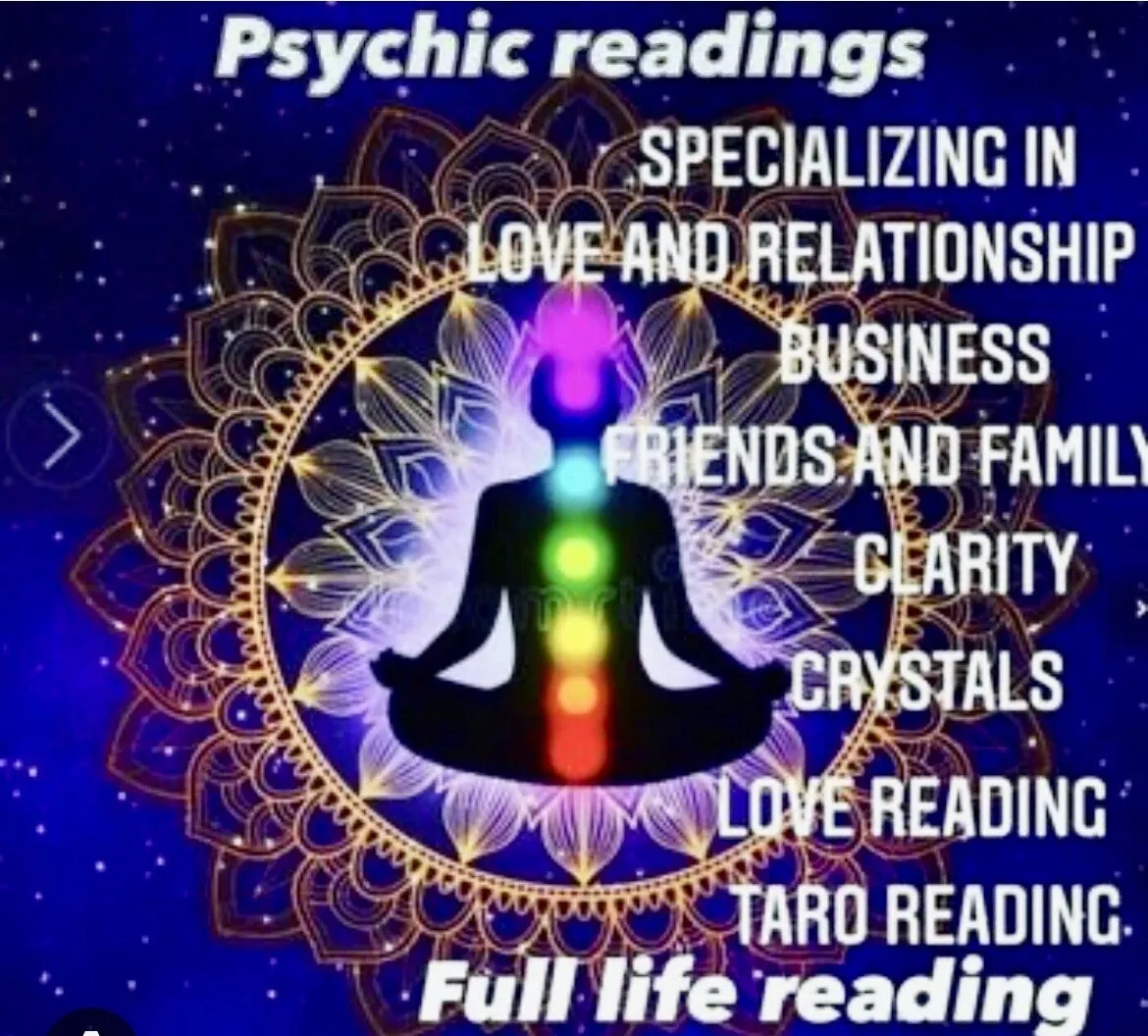
The chakras are the subtle body's architecture: centers of energy visualized along the spine from its base to the crown, each with its own name, color, and territory of life. In the modern healing practice, the body's seven centers are read as a map of the person, root to crown, safety to spirit, and the healing work is the reading and rebalancing of that map: a center felt closed is opened, an overactive one quieted, the system brought toward its balance.
The system behind the practice has two histories, and both belong in the telling. The older one is India's: the chakras of the tantric and yogic traditions, centers within the subtle body that classical texts describe in varying numbers, most famously six along the central channel with the thousand-petaled lotus above them as the goal rather than a peer. In that tradition the chakras were waypoints of liberation: the coiled energy at the base, kundalini, awakened and raised through the centers, each transcended in turn, the system's purpose liberation rather than balance, its imagery rich with deities, elements, and seed syllables rather than with rainbow colors.
The younger history built the practice as it is known today, and it is a twentieth-century Western assembly with named chapters. The Theosophists carried the Sanskrit system into English at the century's turn, the scholarly translation of the classical text arriving in 1919 as the hinge; the clairvoyant literature of the nineteen-twenties described the chakras with their first colors and gland associations; the color therapists of the thirties assigned spectrum colors; and in 1977 two books fused the final elements, the seven centers in rainbow order with the familiar ladder of qualities from grounding to enlightenment. The system the modern practice uses, in other words, is about fifty years old as a whole, built from materials some of which are a millennium old and some of which are American, and the tradition's own scholars have documented the assembly with care, naming the sources and the drifts between them.
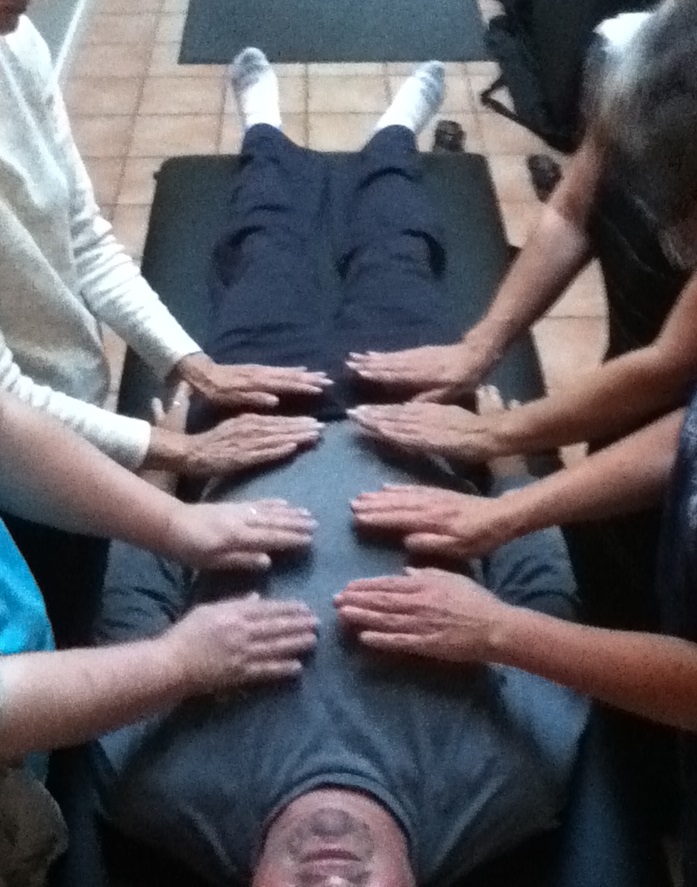
The practice itself is straightforward in its modern form. A session begins with assessment: the practitioner scans the centers with hands held above the body or with a pendulum, the swinging weight read as the traditional diagnostic, its clockwise turn for a center flowing freely, stillness or disorder for one compromised. The work that follows is the practitioner's hands above or resting lightly on the body, often in the reiki manner, along with the self-care methods the tradition teaches: postures that open a center, breath directed to it, visualization of its color, the seed syllables chanted, the affirmations that speak its theme. Each center carries its associations in the standard vocabulary, and the vocabulary is worth holding exactly: the root's red and its grounding, the sacral's orange and its creativity, the solar plexus's yellow power, the heart's green compassion, the throat's blue expression, the third eye's indigo insight, the crown's violet connection to what lies beyond the body.
The practice shares its map across the modern energy disciplines: reiki's hand positions follow it, the sound baths tune to it, the yoga world speaks its language in postures named for the centers they open. Its scientific standing is the one the energy field carries generally, unverified in the laboratory and unharmed in the clinic's experience, and the practice's own teachers frame it in those two registers: as a map of the subtle body, and as a metaphor the skeptical may still use well. Both uses are taught, and the chakra system's long life through so many reinterpretations suggests the map serves wherever it is drawn.
At a glance
- Category
- Energy & Spiritual Healing
- Origin of practice
- The system's sources: tantric India; the modern healing form assembled in the twentieth-century West
- Access
- OpenOpen to all , no initiation required. What access means
Traditions
The living lineages this practice moves within.
Tools & Materials
The chakra practice's instruments serve its assessment and its balance: the pendulum held above each center as the traditional diagnostic, its motion read for the flow beneath; the practitioner's hands, scanning and then working above or lightly on the body. The self-care kit is the tradition's real wealth: colored stones and crystal resonances chosen for each center, essential oils keyed to the same, singing bowls and tuning forks tuned to the centers' tones, the seed syllables chanted, the visualizations practiced with the colors. Yoga's postures serve the practice as bodywork, the heart-openers and the root-grounding poses taught alongside the energy work. The reference shelf is the modern system's canon, from the Theosophical classics through the great popular synthesis texts to the scholarly histories that document where each element came from, and the serious practitioner keeps both, the working vocabulary and the knowledge of where it came from.
Elements & Concepts
The seven centers. Root, sacral, solar plexus, heart, throat, third eye, and crown, each with its color, element, gland association, and life territory. The modern system's complete vocabulary, learned as a ladder from grounding to spirit.
Assessment. The reading of the centers' state: the pendulum's swing, the hand scan above the body, the felt sense of flow and blockage. The practice's diagnostic layer, and the first skill its practitioners learn.
Balance. The tradition's aim rather than the classical liberation: centers neither closed nor excessive, the system in its harmony. The modern framing that made the practice teachable at scale.
The seed syllables. The Sanskrit sounds assigned to each center, chanted to resonate its energy: the practice's link back to the classical system's own mantra practice.
The organizations
Institutions & businesses
Organizations whose work centers on chakra healing.