
By Bailey Romatoski ·
Cowrie shell divination is the practice of casting a set of cowrie shells and reading how they land. In its most influential form it uses sixteen shells, and it belongs to the Yoruba religious tradition of West Africa and the diaspora religions it gave rise to: Ifá's sister system in Cuba, the jogo de búzios in Brazil, and related practices across the Americas. This is a living lineage practice, and that fact should shape everything about how you approach it, including how you find a reader.
What is cowrie shell divination, exactly?
The best known version uses sixteen cowrie shells cast onto a mat or a prepared table. The reader throws the shells and counts how many land with their openings facing up, and that number points to a verse figure called an odu. Each odu carries a body of teachings, stories, and prescriptions, and the reader interprets it in light of your question. A skilled diviner works with hundreds of possible odu combinations and knows what each one asks of you.
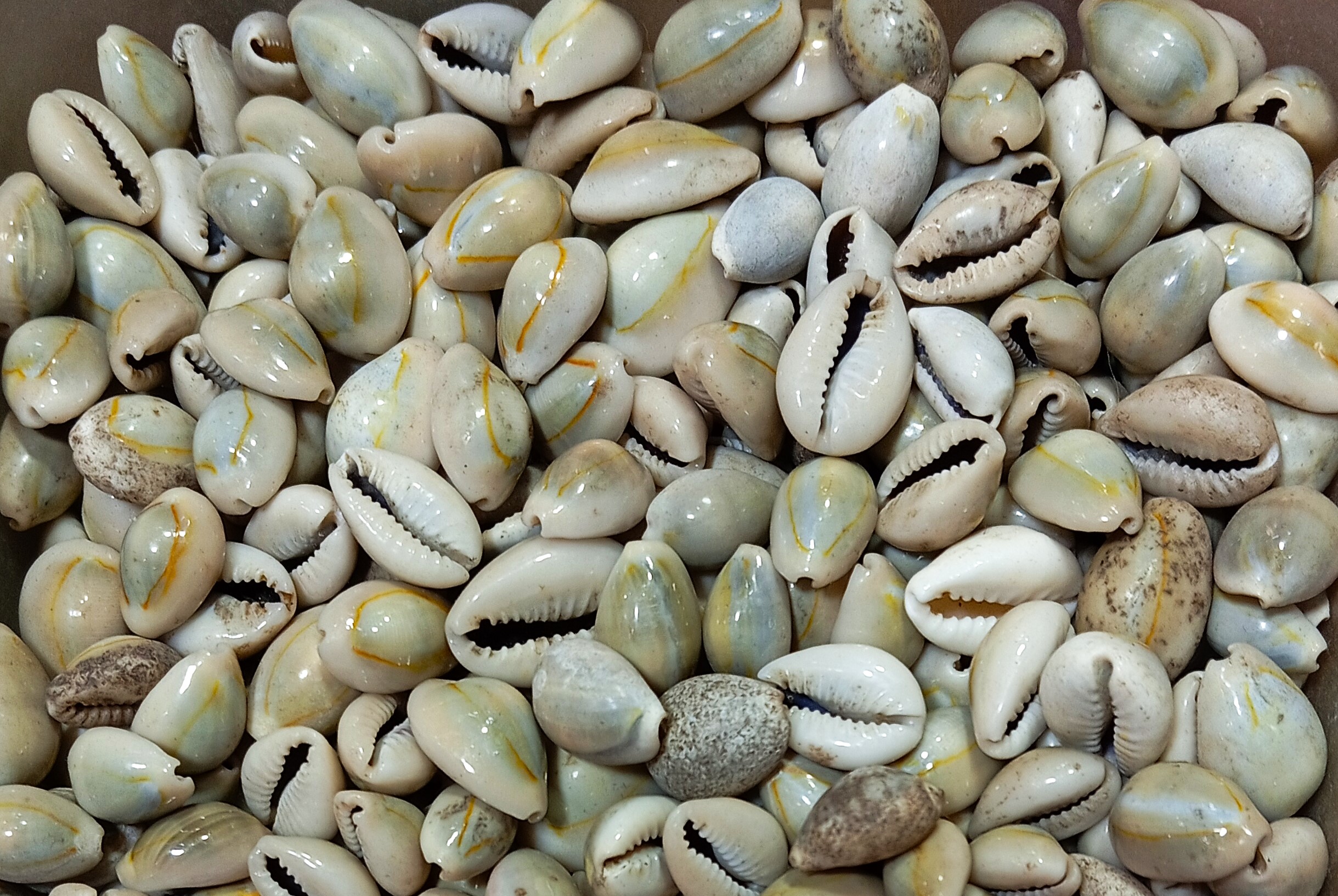
The shells themselves are small, porcelain-like sea snail shells with a slit opening that reads a bit like a mouth, and they have been money across Africa and Asia for centuries, which made them natural tools of value and meaning alike. In the Yoruba system, the sixteen shells echo the sixteen principal odu of Ifá, the vast literary and divinatory tradition that cowrie reading shares a root with. Where Ifá priests use the ekpele chain or palm nuts, the cowrie reader uses shells, faster to cast and more common in everyday consultation.
Where does cowrie divination come from?
The practice is rooted in the Yoruba religion of what is now Nigeria and Benin. Cowrie divination spread with Yoruba and related West African peoples across West Africa, and it appears in East Africa and as far as India in related forms. The hardest chapter of its history carried it across the Atlantic: enslaved Africans brought the practice to the Americas, where it survived and grew in the diaspora religions that formed under brutal conditions.
In Cuba it became diloggún, practiced by initiated priests of Regla de Ocha (often called Santería). In Brazil it became the jogo de búzios, central to Candomblé, and it has a place in Umbanda as well. These diaspora forms share the root system with West African practice but developed their own procedures over centuries, and each is a complete tradition with its own training, protocols, and authority.
Which brings up the respect point, and it matters more here than in almost any other practice on a beginner's list. Cowrie divination is not a technique anyone can pick up from a book or a weekend course. Readers are initiated and trained within a lineage, often over years, and the authority to read and advise comes from that community, its elders, and its orishas. If you seek a reading, you're not buying a trick, you're approaching someone's religion. Treat it that way and the practice will make sense.
How does a reading work?
A session typically begins before any shells fall. The reader, an initiated priest or priestess, may greet and invoke the orishas and prepare the reading space. You bring your question, or ask for an open reading of what's coming. Then the shells are cast, and the count begins: how many shells land mouth-up determines the odu, and the odu determines the conversation.
Readings in this tradition are less like fortune-telling and more like consultation with an advisor. The odu speaks to causes, warnings, offerings, and paths forward, and the reader works through what it prescribes, which may include practical advice, behavioral commitments, or ritual work within the tradition. In the Cuban form the first cast may involve throwing the shells twice to build a composite odu, and follow-up casts drill into details. Expect a real conversation where you can push back and ask what a prescription means. Sessions commonly run 45 minutes to an hour or more.
Cowrie shell divination vs tarot: what's the difference?
The gap here is wider than with most comparisons. Tarot is a card system anyone can buy and learn; cowrie divination is a religious office. Tarot cards have published meanings and no authority structure; an odu is tied to a lineage, and the right to interpret it carries obligations. A tarot reading gives you symbols to reflect on. A cowrie reading, when done by a properly initiated reader, speaks within a tradition that claims real spiritual authority over the questions it addresses.
Practically: tarot is the easier entry for curiosity, and there's nothing wrong with that. But if what you want is depth, rootedness, and a practice with a community behind it, cowrie divination offers something tarot can't. Just know the difference when you approach a priest or priestess: you're a visitor in their tradition, and good visitors come humble.
How do I find a cowrie shell reader?
This is where lineage is everything. Look for a reader who is a recognized initiate: in Cuba and its diaspora, an initiated santero or santera qualified to read diloggún; in Brazil, someone with standing in a Candomblé terreiro; in West Africa, a babalawo or iyanifa working in the Ifá or merindilogun systems. Real initiates can usually name their godparent, their ile or house, and their tradition without hesitation, and they welcome those questions.
Directories of diaspora religious communities, temples and houses with public profiles, and word of mouth within those communities are your best routes. Be careful with readers who advertise quick online readings with no lineage information, sell fear about what the shells revealed, or offer to "fix" problems at escalating prices. Those patterns are recognized as abusive within the traditions themselves. And don't ask an initiated reader to teach you the system in a weekend. If you're drawn to learn, that's a conversation about becoming a student, not a booking.
Questions to ask before you book
Three questions, asked respectfully, will serve you. First: "Who is your godparent, and what house or ile do you belong to?" Any legitimate initiate answers this easily. Second: "What happens in a reading with you?" You want the shape: invocation, cast, consultation, and whether prescriptions might follow. Third: "What do you charge for the reading itself?" Note that in many houses the fee covers the reader's consultation time, and any ritual work is discussed separately and honestly. A reader who is evasive about lineage or money is telling you something.
The bottom line
Cowrie shell divination is an old, living practice carried across an ocean and kept alive by communities who paid dearly for it. Its sixteen shells open onto one of the deepest divinatory systems on earth. Come with a real question, approach with respect for the lineage, and choose a reader whose tradition you can see and name.