
By Bailey Romatoski ·
Augury is the art of reading signs in the world around you: the flight of birds, the weather at a key moment, an animal crossing your path, a phrase you overhear right when you needed it. A reader trained in omen work helps you notice those signs, weigh them, and turn them into guidance you can use.
What is augury, exactly?
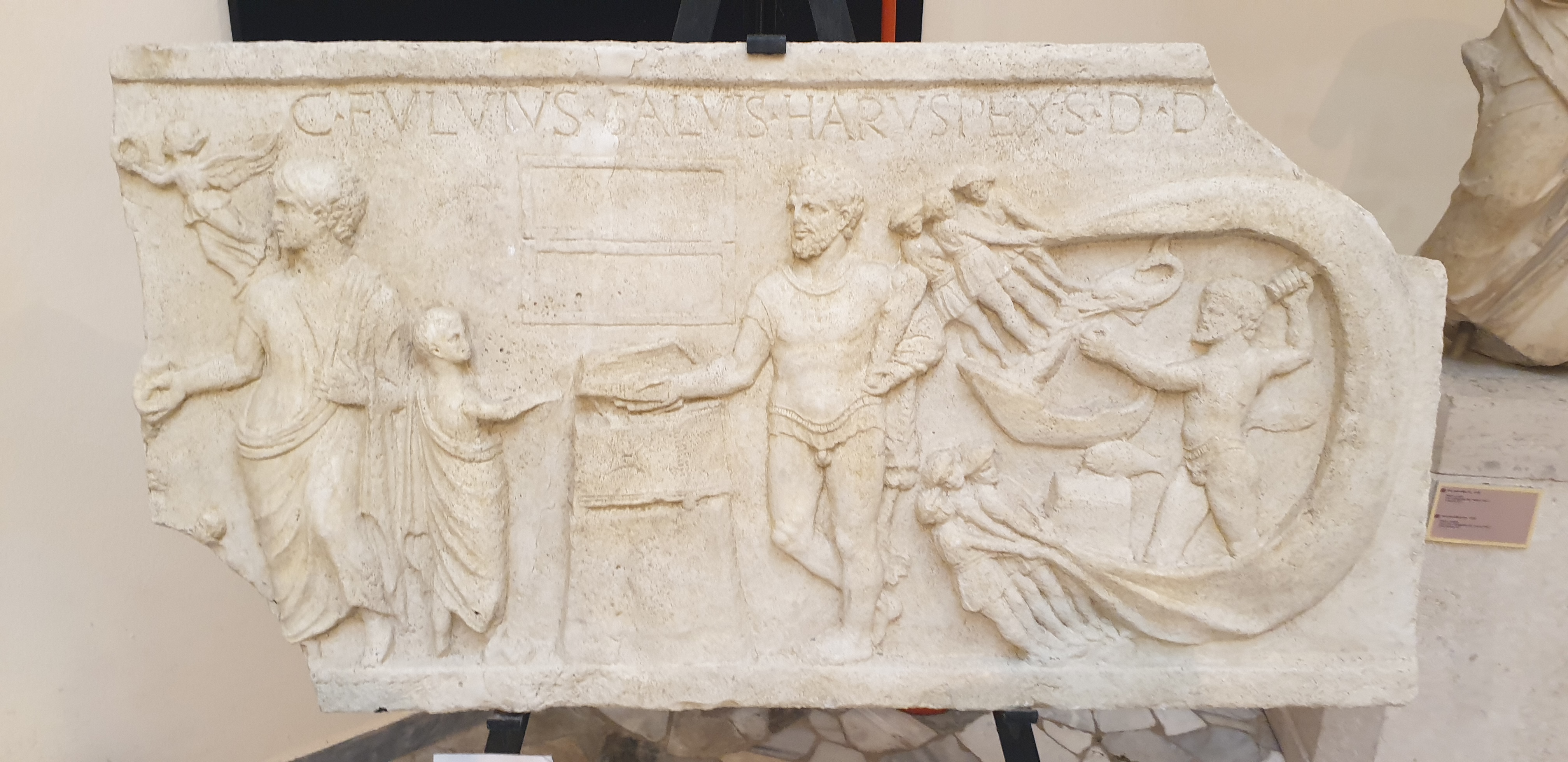
The word augury comes from ancient Rome, where an augur was an official who read the will of the gods through signs in nature. The most famous sign was birds: what kind of bird, which direction it flew, how high, whether it called or stayed silent. But augury was never just birds. Thunder, lightning, the behavior of sacred chickens (yes, really), and other observed signs all counted.
In everyday use today, augury and omen reading sit close together. An omen is a sign that arrives on its own: a hawk landing near you, a candle that will not stay lit, the same number showing up all week. Omen reading is the practice of paying attention to those events and interpreting them. An augur or omen reader brings a trained eye to the process, so you're not left staring at a sign with no idea what it means.
Where does augury come from?
Augury was a pillar of public life in ancient Rome. Augurs held a real religious office, and no big decision went ahead without them: wars, elections, the founding of colonies. The Roman state kept careful rules about which signs mattered and how to read them, and those rules were written down in books that later scholars studied for centuries. Bird divination, or ornithomancy, goes back even further than Rome. It shows up across the ancient Near East and Greece, and Mesopotamian scribes compiled whole libraries of sky and bird omens.
Omen reading is not only a classical artifact, either. Traditions of reading signs in nature run through nearly every culture: Greek villagers once watched for a lucky or unlucky word spoken by a stranger, and folk traditions across Europe, Africa, and the Americas carry rich catalogs of animal and weather omens. Some of those catalogs survive as the folklore we still quote today, like a black cat crossing your path.
The respect point matters here. Roman augury is a historical system we know through texts, but omen-adjacent practices are also living traditions in many communities. A good reader knows the difference between studying a system and borrowing a culture, and they'll talk about that openly.
What does a session look like?
Omen work varies by reader, so expect differences. A common shape goes like this. First you bring a question: about a move, a relationship, a decision you keep circling. The reader may ask you to describe what you've already noticed, the strange coincidences stacking up around the question. Then they watch for signs during the session itself: birds outside the window, sounds, the way the candle behaves, what shows up in the world right as a topic comes up.
The reader interprets what appears, and they'll usually tell you the tradition or system behind their reading. Some work from classical Roman sources, some from folk traditions they grew up with, some from a mix. A sign rarely means one fixed thing; direction, timing, repetition, and your question all color the message. Good sessions end with something usable, a next step or a thing to watch for, not a vague prediction. Sessions typically run 30 to 60 minutes.
Augury vs tarot: what's the difference?
Tarot is a closed system: 78 cards, fixed meanings, named positions in a spread. Omen reading is the opposite. There's no deck. The material is whatever the world serves up, and the reader's skill is noticing the signal in ordinary noise. Tarot asks "what does this card mean here?" Omen reading asks "what just happened, and why now?"
Tarot gives you a session with clear edges: shuffle, cut, spread, interpret. Omen work is more like learning a language you then speak all week, since signs don't wait for appointments. People who like structure often start with tarot. People who like the feeling that the world is in on the conversation tend to love omen work. Plenty of readers use both, and many tarot readers watch for omens around their spreads.
How do I find an augur or omen reader?
Look for a reader who can name their tradition and their teachers, the same way you would with any esoteric practice. Read their description carefully: a good reader explains what signs they read, what system they use, and what a session covers, and they're comfortable answering questions about all three. Practitioner directories and metaphysical shops are a natural place to look, and word of mouth counts for a lot in this field.
Be careful with anyone who treats every sign as a crisis, tells you you're cursed, or sells fear by the package. Also be a little careful with readers who claim every single thing is a sign. Part of the skill is knowing what to ignore, and an honest reader will say so.
Questions to ask before you book
Three questions do most of the work. First: "What tradition or system do you read from, and where did you learn it?" Second: "What happens in a session with you?" You want the shape before you're in it. Third: "What do you charge, and what do you not do?" Honest readers are glad to name what's outside their lane. If a reader bristles at these questions, that's information too.
The bottom line
Augury and omen reading are some of the oldest esoteric practices on record, and they're still alive because the world keeps offering signs to anyone paying attention. A good reader gives that attention training and a tradition. Come with a real question, choose someone who can name their roots, and expect a conversation with the world, not a verdict from a stranger.